The Open Window

by Edward R. Sill 

My tower was grimly builded, 
         With many a bolt and bar, 
“And here,” I thought, “I will keep my life 
         From the bitter world afar.” 

Dark and chill was the stony floor, 
        Where never a sunbeam lay, 
And the mould crept up on the dreary wall, 
        With its ghost touch, day by day. 

One morn, in my sullen musings, 
        A flutter and cry I heard; 
And close at the rusty casement 
        There clung a frightened bird. 

Then back I flung the shutter 
        That was never before undone, 
And I kept till its wings were rested 
        The little weary one. 

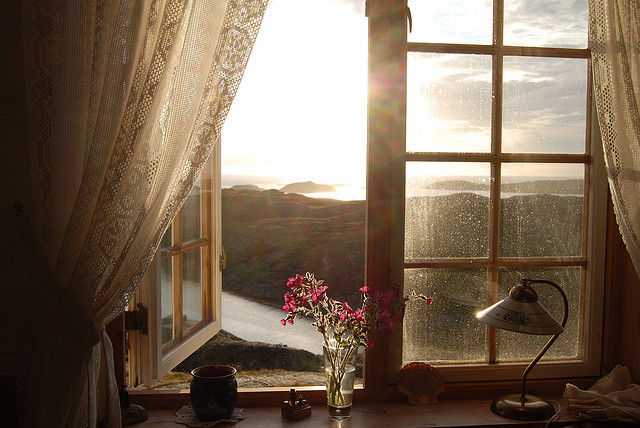
But in through the open window, 
        Which I had forgot to close, 
There had burst a gush of sunshine 
        And a summer scent of rose. 

For all the while I had burrowed 
        There in my dingy tower, 
Lo! the birds had sung and the leaves had danced 
        From hour to sunny hour. 

And such balm and warmth and beauty 
        Came drifting in since then, 
That window still stands open 
        And shall never be shut again.

pbsthisdayinhistory:

Jan. 1, 1863: President Lincoln Signs the Emancipation Proclamation

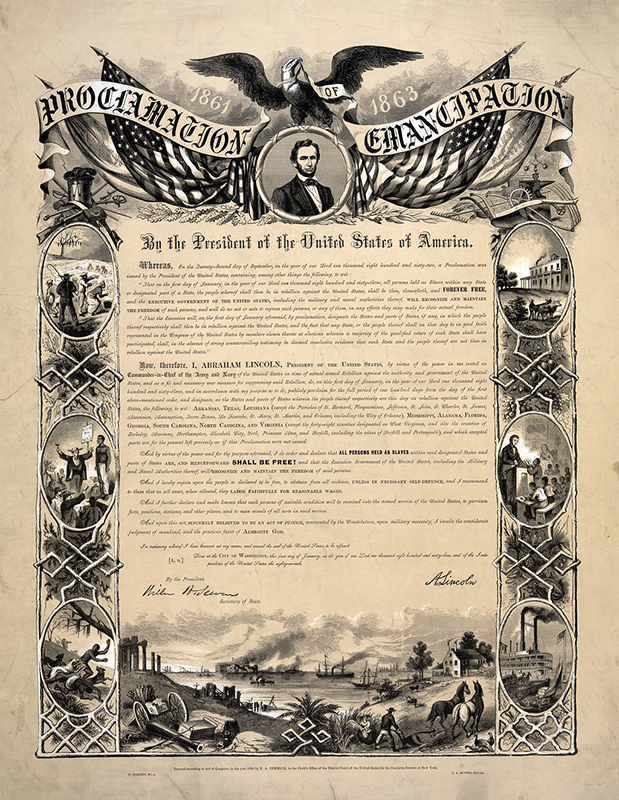
On this day in 1863, President Abraham Lincoln issued the Emancipation Proclamation. It declared, “all persons held as slaves within any States, or designated part of the State, the people whereof shall be in rebellion against the United States, shall be then, thenceforward, and forever free.”

The Emancipation Proclamation did not free all slaves in the United States. Rather, it declared free only those slaves living in states not under Union control. It also allowed black soldiers to fight for the Union — soldiers that were desperately needed. Lastly, it tied the issue of slavery directly to the Civil War. 

Watch this American Experience video to learn more about the Emancipation Proclamation. 

Image: Photograph of a reproduction of the Emancipation Proclamation, 1864.