wellness
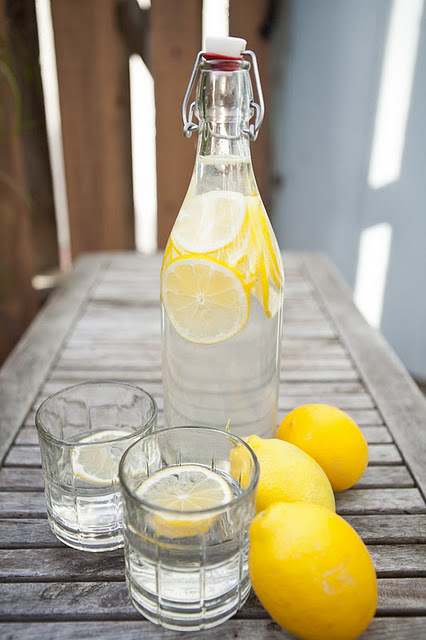
1. Increases Energy & Relieves Fatigue – Since your brain is mostly water, drinking it helps you think, focus and concentrate better and be more alert. As an added bonus, your energy levels are also boosted!
2. Promotes Weight Loss – Removes by-products of fat, reduces eating intake (by filling up your tummy if consumed prior to meals), reduces hunger (hello natural appetite suppressant!), raises your metabolism and has zero calories!
3. Flushes Out Toxins – Gets rid of waste through sweat and urination which reduces the risk of kidney stones and UTI’s (urinary tract infections).
4. Improves Skin Complexion – Moisturizes your skin, keeps it fresh, soft, glowing and smooth. Gets rid of wrinkles. It’s the best anti-aging treatment around!
5. Maintains Regularity – Aids in digestion as water is essential to digest your food and prevents constipation.
6. Boosts Immune System – A water guzzler is less likely to get sick. And who wouldn’t rather feel healthy the majority of the time? Drinking plenty of water helps fight against flu, cancer and other ailments like heart attacks.
7. Natural Headache Remedy – Helps relieve and prevent headaches (migraines & back pains too!) which are commonly caused by dehydration.
8. Prevents Cramps & Sprains – Proper hydration helps keep joints lubricated and muscles more elastic so joint pain is less likely.
9. Puts You in a Good Mood – When the body is functioning at its best, you will feel great and be happy!
10. Save Money! – Water is FREE! Even if you choose bottled/filtered water, it’s STILL cheaper than that high sugar and fat-filled latte!
Is Walking Just as Good as Running?
A May 2013 study by researchers in the Life Science Division at Lawrence Berkeley National Laboratory looked at data from 33,000 runners and nearly 16,000 walkers to compare the relative health benefits of each activity. To be sure, both walking and running had positive effects. When the researchers checked in with participants six years after the start of the study, they found that running significantly reduced the risk of high blood pressure (by 4.2 percent), high cholesterol (4.3 percent), diabetes (12.1 percent) and cardiovascular heart disease (4.5 percent), for every MET h/d, which is a standard measure of metabolic energy expenditure. Walking decreased risk by 7.2 percent for high blood pressure, 7 percent for high cholesterol, 12.3 percent for diabetes and 9.3 percent for cardiovascular heart disease.

3 Questions that Will Free Your Mind and Turn Your Life Around
“Judge a man by his questions rather than by his answers.”
―Voltaire
It’s not the answers you get from others, but the questions you ask yourself that will help you grow stronger. In fact, the simple questions you ask yourself on a daily basis will determine the type of person you become in the long run. MORE…


Meditation has long been known in Eastern religions as a way to reduce tension and attain peace of mind. There are variations some of which might not be suitable to everyone or if practiced in the extreme. This topic is worth studying if you are having trouble breaking the anxiety and stress habits.
Some basic meditating might easily replace stress and tenseness with peace of mind and relaxation.
An over simplified effort might be:
Find a quiet place by yourself.
Get in a relaxed position.
Rest your eyes downward, almost closed, not tight.
Breathe slowly and naturally.
Do not think about anything else except what you are doing.
Do this for 15-20 minutes.
When lying wide awake in bed, or taking a calming break, try fixing your eyes and thoughts on an insignificant mark on the wall, a small glittery area, or perhaps a shadow. Keep staring at this and think of nothing else. As your eyes wander off bring them back to the object. With practice this will often send you off to a dreamy, peaceful state.
“Meditation has been defined as the cessation of active eternal thought” – Helena Blavatsky (1831-1891)
 Elysian Waters